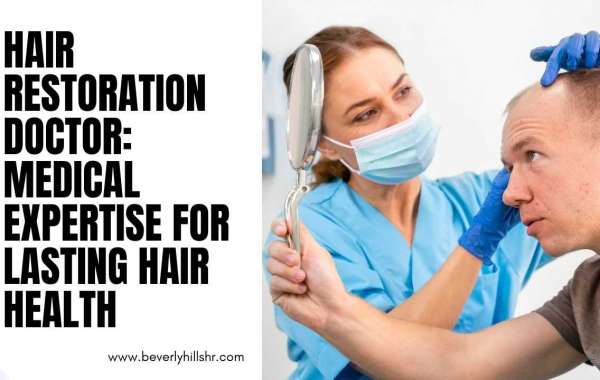

Hair loss can be emotionally distressing and medically complex, affecting both men and women across various ages. While many products and cosmetic resolutions promise improvement, meaningful and lasting results depend on expert medical evaluation. A hair restoration doctor is a trained medical specialist who understands the biological causes of hair loss and provides evidence-based treatment options. Selecting the right specialist is not simply about restoring appearance but about protecting scalp health, preventing further loss, and setting realistic expectations. With proper diagnosis, ethical guidance, and personalized care, a hair restoration doctor helps patients make informed decisions and achieve natural, sustainable outcomes rooted in medical science rather than marketing claims.
Who Is a Hair Restoration Doctor?
A hair restoration doctor is a licensed physician with specialized training in hair and scalp disorders, medical hair loss management, and surgical hair restoration techniques. These doctors often come from backgrounds such as dermatology or cosmetic surgery and pursue advanced education in hair biology and transplantation. Their role extends beyond performing procedures; they evaluate underlying causes, monitor treatment progress, and adjust strategies over time. Unlike non-medical providers, a hair restoration doctor is qualified to diagnose medical conditions, prescribe treatments, and manage complications when necessary.
Medical Conditions Treated by a Hair Restoration Doctor
Hair loss is not a single condition. A hair restoration doctor treats various causes, including androgenetic alopecia (pattern hair loss), traction alopecia, scarring alopecia, hormonal imbalances, nutritional deficiencies, and hair loss related to stress or illness. Some patients experience temporary shedding, while others face progressive or permanent loss. Accurate diagnosis is necessary, as treatments that benefit one condition may be ineffective or harmful for another. A medical approach ensures that therapy targets the true cause rather than masking symptoms.
Diagnostic Evaluation and Personalized Treatment Planning
Every patient begins with a comprehensive consultation. A hair restoration doctor reviews medical history, family patterns, medications, and lifestyle factors. Scalp examination, hair density analysis, and sometimes laboratory tests help clarify the diagnosis. Based on these findings, the doctor creates a personalized treatment plan aligned with the patient’s age, degree of hair loss, donor hair quality, and long-term goals. This individualized planning is critical for achieving balanced, natural-looking results while avoiding unnecessary procedures.
Non-Surgical Hair Restoration Options
Not all patients require surgery. A hair restoration doctor may recommend medical therapies such as prescription medications, platelet-rich plasma (PRP) injections, or low-level laser therapy when appropriate. These options aim to slow hair loss, strengthen existing follicles, and improve scalp health. Non-surgical treatments are often used alone in early stages or combined with surgical procedures to enhance and maintain results. Proper medical supervision ensures safe use and realistic expectations regarding timelines and results.
Surgical Hair Restoration Procedures
When hair loss is advanced or stable, surgical restoration may be considered. A hair restoration doctor performs techniques such as follicular unit extraction (FUE) or follicular unit transplantation (FUT), carefully transferring healthy follicles from donor areas to thinning regions. Precision, artistic judgment, and medical safety are essential during these procedure. A qualified doctor focuses on natural hairline design, appropriate graft placement, and long-term planning rather than maximum graft numbers. Surgery is performed only when patients are suitable candidates and fully informed.
Safety, Ethics, and Realistic Expectations
Ethical practice is central to a reputable hair restoration doctor’s work. Patients are educated about benefits, limitations, recovery time, and possible risks. Hair restoration does not stop future hair loss, and effects develop gradually over several months. Honest counseling prevents disappointment and supports long-term satisfaction. Medical oversight also ensures sterile techniques, proper anesthesia use, and prompt management of any complications.
How to Choose a Qualified Hair Restoration Doctor
Patients should look for board certification, verified medical credentials, and documented experience in hair restoration. Transparent consultations, before-and-after case examples, and a conservative therapy philosophy are positive indicators. At beverlyhillshr, patients benefit from care led by an experienced hair restoration doctor known for meticulous planning, patient-centered decision-making, and consistently natural outcomes. A trustworthy hair restoration doctor prioritizes patient health, not sales, and offers recommendations tailored to medical need rather than trends.
Conclusion
Choosing a hair restoration doctor is a medical decision that affects both appearance and long-term scalp health. The right specialist provides accurate diagnosis, personalized treatment options, and ethical guidance rooted in medical evidence. Whether managing early hair thinning or considering surgical restoration, patients benefit most from a doctor who values safety, transparency, and realistic results. By working closely with a qualified hair restoration doctor, individuals can address hair loss with confidence, clarity, and a therapy plan designed for lasting, natural results rather than short-term promises.